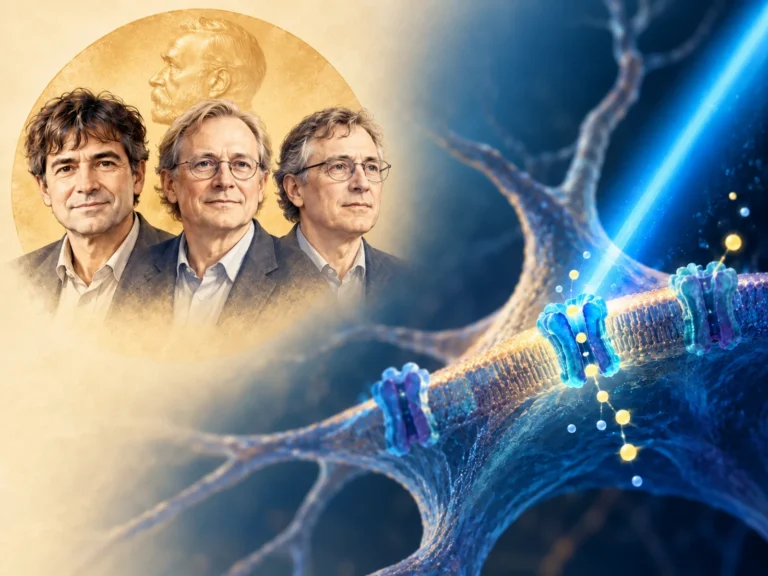
Whether it’s catching a movie, trying a new cuisine, or playing sports, everyday leisure activities feel deeply rewarding because they engage the brain’s reward processing network. Rather than acting as a simple chemical for pleasure, dopamine plays a nuanced role in motivation, learning, and reinforcing these behaviors.
Recreational substance use is another context in which these neural reward systems become relevant. Among the most common methods for consuming such substances is smoking, particularly with cannabis—widely known as ‘weed’ or ‘herb’ in English, maconha in Portuguese, and l’herbe in French.
What makes cannabis especially fascinating is that its various constituents do not produce identical effects. Among the numerous compounds found in the plant, two prominent cannabinoids stand out: Tetrahydrocannabinol (THC) and cannabidiol (CBD). THC is primarily responsible for the characteristic intoxicating effects of cannabis, triggering euphoria and an increased appetite. In contrast, CBD is generally non-intoxicating, yet it still produces significant pharmacological effects whose exact mechanisms and clinical applications remain the subject of ongoing scientific study. Intrigued by how this unique compound functions without a mind-altering high, I wanted to look past the popular generalizations and dive deeper into the literature.
The Search for Relaxation and Sleep Support
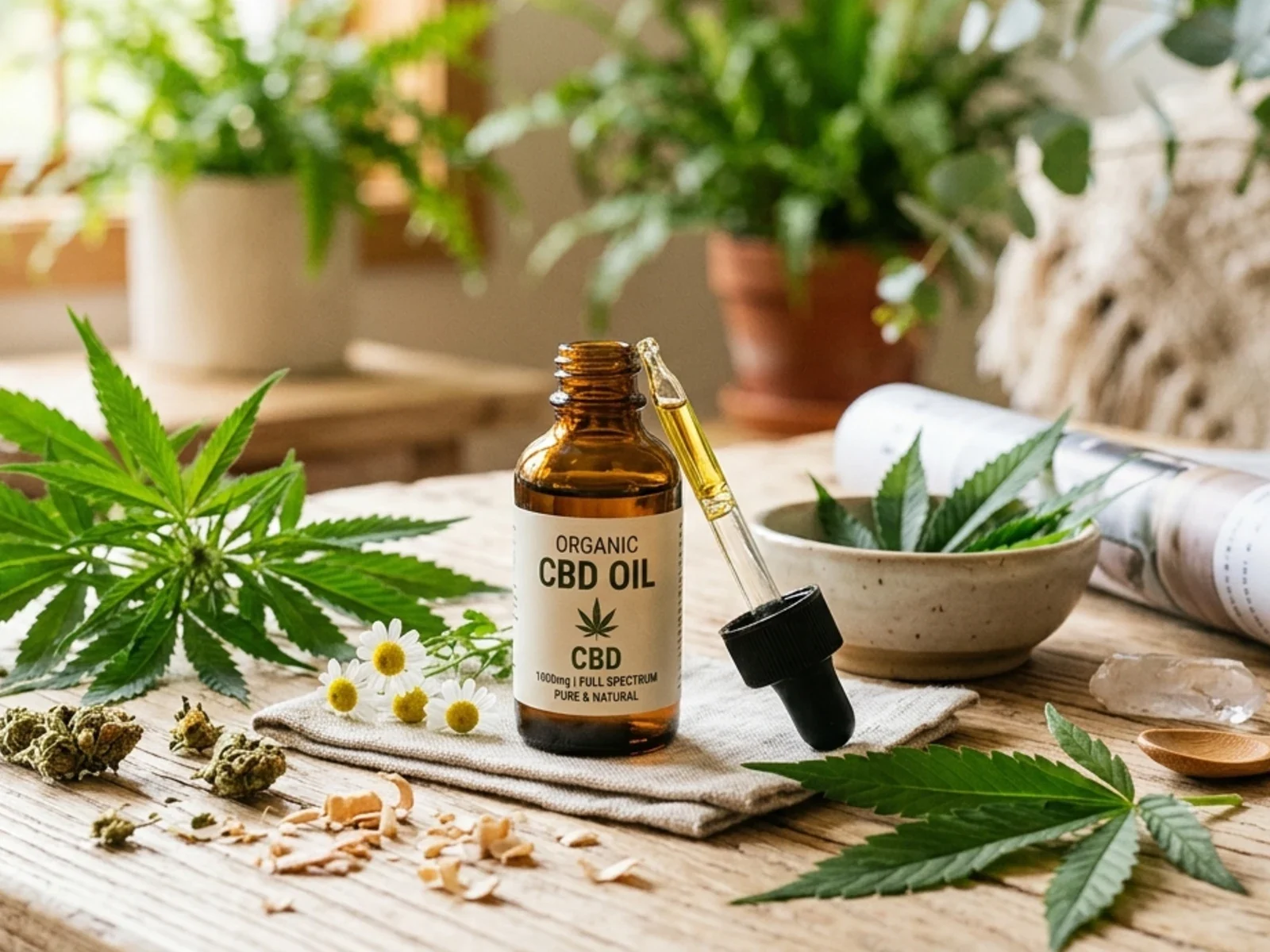
Plenty of people use CBD oil—extracted from cannabis through specialized processes—hoping for deep relaxation and better sleep. However, clinical evidence regarding its sedative properties remains mixed. While early retrospective case series noted subjective improvements in sleep quality (Shannon et al., 2019), gold-standard randomized controlled trials evaluating isolated CBD against placebo have shown far less consistent results. For instance, a double-blind, placebo-controlled crossover study using objective polysomnography found that acute administration of CBD produced no significant differences in sleep architecture, sleep stages, or total sleep time compared to placebo (Linares et al., 2018). This leaves open the critical question of how much of its popular reputation stems from genuine pharmacological sedation versus a strong placebo response. Nevertheless, anecdotal reports and consumer preference continue to drive widespread use for unwinding and sleep support.
Beyond Single Molecules: The Entourage Effect
While CBD products are often marketed as dietary supplements or wellness aids, the regulatory landscape for THC is far more restricted across different regions. However, rather than viewing these compounds entirely in isolation, I often wonder whether certain effects depend not only on CBD or THC individually, but also on interactions with minor cannabinoids and other constituents, such as terpenes. This concept is frequently referred to as the “entourage effect.” A simple everyday parallel can be seen in how Vitamin C helps the body absorb non-heme iron more efficiently—illustrating how one compound can alter another’s behavior. While this kind of nutritional synergy is well-established, whether a comparable beneficial interaction truly occurs between cannabis compounds remains an open, actively researched scientific question.
Cellular Mechanics: The CB1 Receptor & “Volume Knob” Model
At the cellular level, the functional contrast between these two cannabinoids begins with how they interact with the endocannabinoid system, particularly the CB1 receptor. Tetrahydrocannabinol (THC) acts as an agonist that activates CB1 receptors in the brain, triggering its signature psychoactive high alongside acute effects such as altered memory formation, elevated heart rate, and occasional anxiety or paranoia (Pertwee, 2008). In contrast, CBD does not activate the CB1 receptor in the same manner. Instead, experimental research in laboratory models demonstrates that CBD functions as a negative allosteric modulator (Laprairie et al., 2015). Think of it as a biochemical “volume knob”: rather than competing directly for the main binding site, CBD attaches to a distinct secondary site on the receptor to alter its shape and dampen THC signaling. However, while this mechanism has been clearly shown in experimental studies, its clinical relevance in humans remains uncertain and has not been established as a predictable real-world effect.
However, it is vital to separate laboratory findings from real-world human outcomes. While this “volume knob” mechanism suggests CBD might cushion the adverse effects of THC, controlled clinical trials in humans have produced far more complex and inconsistent results. For example, a landmark double-blind study found that co-administering vaporized CBD alongside THC failed to significantly reduce acute THC-induced psychotomimetic (psychotic-like) symptoms or cognitive and memory impairments (Morgan et al., 2018). Moreover, there is no established clinical consensus that CBD selectively preserves THC’s potential medicinal benefits while eliminating its unwanted side effects. The transition from receptor-level models in a petri dish to human experience remains a primary area of ongoing investigation.
Evaluating Popular Health Claims
Pain, Inflammation, and Topicals
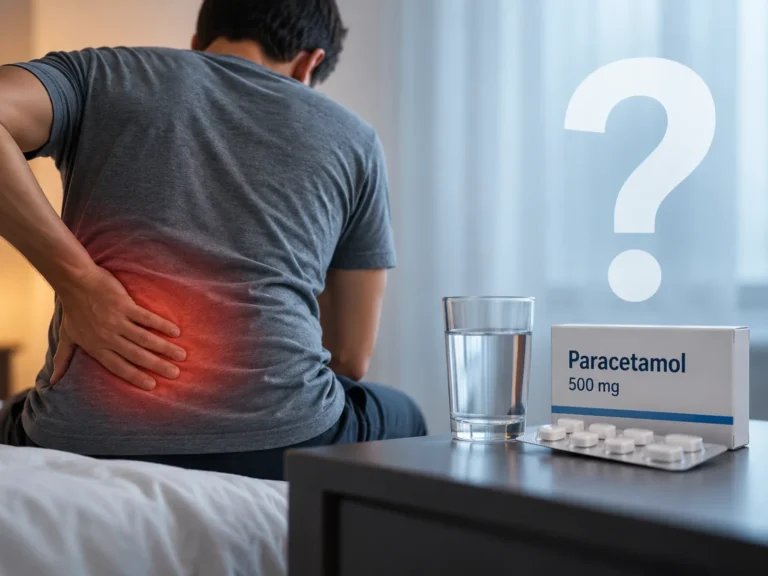
In preclinical models, CBD has shown promise by downregulating certain inflammatory mediators, suggesting a biochemical mechanism that could target peripheral pain drives. Yet, demonstrating anti-inflammatory activity in a laboratory setting is distinct from establishing a clinical treatment for human pain. The human trials conducted to date on isolated CBD offer mixed results, and definitive clinical proof remains elusive. While THC primarily influences central nociceptive processing and pain perception, both compounds exhibit multifaceted pharmacological profiles. Consequently, claims regarding CBD’s pain-relieving properties must be evaluated cautiously, without conflating the documented efficacy of combined THC-CBD pharmaceutical formulations (such as nabiximols) with that of isolated CBD. This same disconnect between marketing and clinical evidence extends to topical products—such as balms and creams—widely used for localized complaints like sore muscles and stiff joints. While these application methods have attracted growing research interest, convincing clinical evidence supporting their routine effectiveness remains limited, and claims that CBD reliably relieves pain or promotes sleep continue to outpace established science.
Addiction and Substance-Use Disorders
Another compelling line of research explores the potential role of CBD in managing substance-use disorders. Rather than acting as a universal cure for addiction, preliminary clinical research has focused on specific behavioral triggers. In a randomized controlled trial of individuals abstinent from heroin, acute administration of CBD significantly reduced both cue-induced craving and anxiety compared to placebo—an effect that persisted for several days after treatment (Hurd et al., 2019). While these findings are encouraging, the trial was relatively small (N = 92) and evaluated outcomes over a short follow-up window. Consequently, larger longitudinal studies with extended monitoring are necessary before CBD can be considered an established therapeutic tool in rehabilitation programs or generalized across other forms of substance dependence.
Gastrointestinal and Cardiovascular Research
Similarly, the presence of endocannabinoid receptors throughout the gastrointestinal tract has prompted interest in whether CBD might influence intestinal inflammation. Preclinical models suggest that cannabinoid signaling plays a role in gut motility and inflammatory responses. However, translating these mechanistic models into proven human therapies has been challenging. In clinical investigations, CBD has not been established as an effective treatment for inflammatory bowel disease (IBD); for instance, a randomized, placebo-controlled pilot study evaluating a CBD-rich botanical extract in patients with ulcerative colitis failed to achieve its primary endpoint of clinical remission (Irving et al., 2018). Consequently, hypotheses regarding CBD’s ability to restore intestinal barrier integrity or prevent systemic toxin entry remain unproven in clinical populations and require further rigorous study.
Preliminary clinical studies in healthy volunteers have investigated whether acute doses of CBD can reduce resting blood pressure and blunt cardiovascular responses to stress (Jadoon et al., 2017), although current evidence is far from sufficient to establish a therapeutic or protective role in cardiovascular disease.
Proven Medical Applications & Clinical Safety
The clearest and most rigorously established clinical application of CBD is in the treatment of severe, treatment-resistant seizure disorders. Epidiolex, a prescription oral solution of pharmaceutical-grade, highly purified cannabidiol, was approved by the U.S. Food and Drug Administration (FDA) for managing seizures associated with specific conditions: Dravet syndrome, Lennox–Gastaut syndrome, and tuberous sclerosis complex in patients one year of age and older (U.S. FDA, 2020). Clinical trials demonstrate that when added to standard antiepileptic regimens, this standardized, highly regulated formulation significantly reduces seizure frequency (Devinsky et al., 2017).
However, a balanced clinical presentation requires recognizing that pharmaceutical CBD is not without risk. Clinical trial safety data highlight important adverse effects, notably dose-related elevations in liver transaminases (ALT and AST), signaling potential hepatocellular injury that necessitates routine hepatic function monitoring (Gaston et al., 2017). Furthermore, CBD is heavily metabolized by cytochrome P450 enzymes and interacts significantly with co-administered antiseizure medications. When combined with valproate, the risk of severe transaminase elevation increases substantially, while co-administration with clobazam inhibits CYP2C19 metabolism, elevating active clobazam metabolite levels (N-desmethylclobazam) and significantly increasing sedation and somnolence (Gaston et al., 2017; Geffrey et al., 2015).
Crucially, both these established therapeutic benefits and safety profiles reflect a purified pharmaceutical drug administered under medical supervision—evidence that cannot be automatically generalized to over-the-counter or commercially marketed CBD oils, which vary widely in purity, concentration, and quality control.
Conclusion: Navigating Potential vs. Proof
Ultimately, CBD’s scientific story is one of clear contrasts: while standardized, pharmaceutical-grade formulations have proven genuine medical value for severe epilepsy, over-the-counter CBD oils vary widely in purity, strength, and regulatory oversight—meaning a proven prescription result cannot simply be assumed for commercial products. As we navigate the growing interest around everyday wellness claims, balancing enthusiasm for CBD’s potential with a clear-eyed understanding of what science has actually proven becomes essential. I believe there is still much to discover about this complex molecule, but understanding its current clinical limitations is just as vital as exploring its future possibilities.