
In the global battle against lifestyle diseases, Type 2 Diabetes is traditionally framed around familiar culprits like refined sugars, sedentary habits, and genetic predisposition. However, a far more insidious trigger has been quietly shaping metabolic health beneath the surface. Recent clinical insights reveal a startling connection between the indiscriminate use of antibiotics and the onset of insulin resistance; a pathway mediated through our gut microbiome.
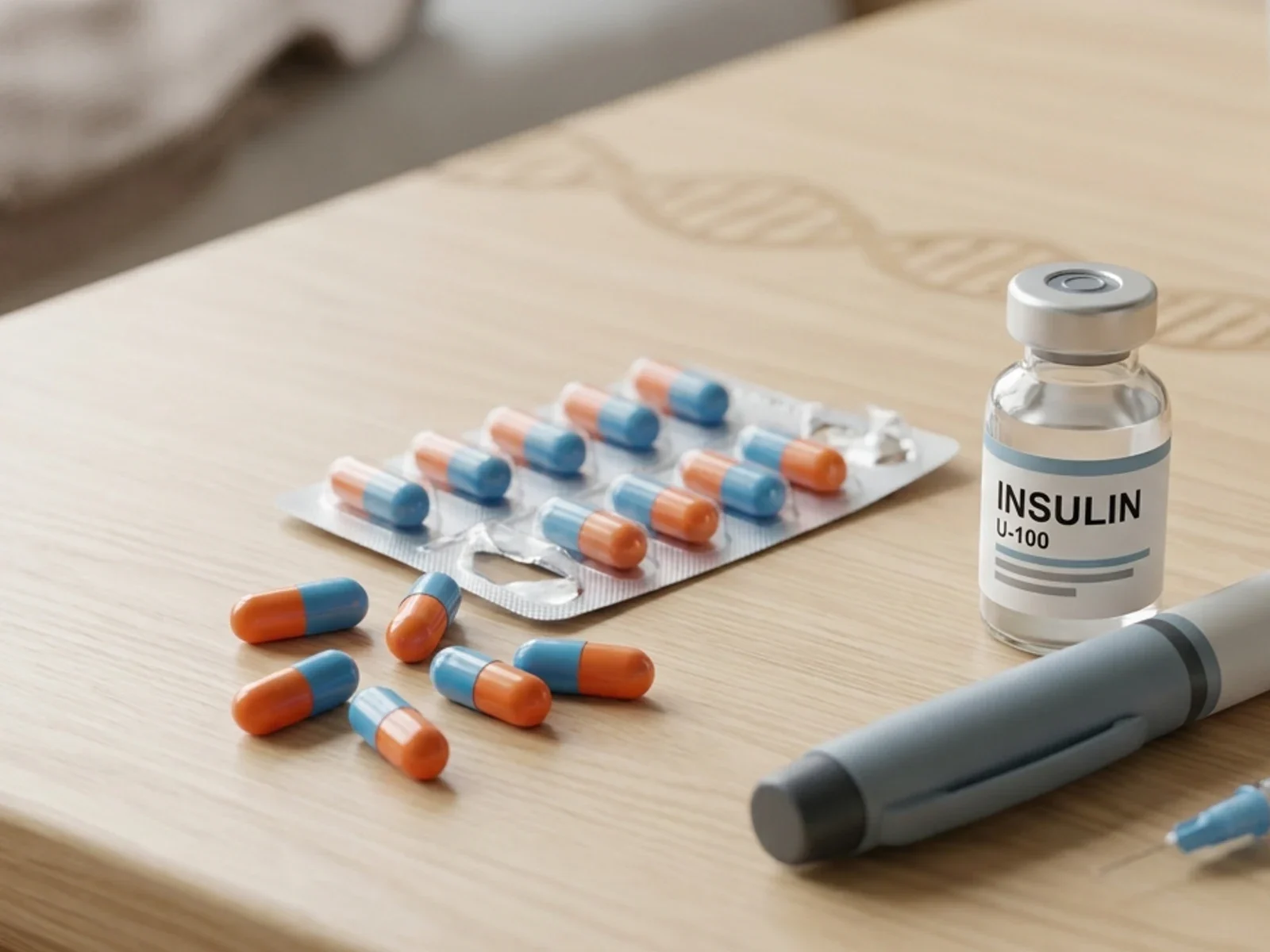
What begins as a seemingly harmless pill prescribed for a routine viral infection or a minor illness can set off a decade-long cascade of biological disruption. In a country like India, often dubbed as the diabetes capital of the world, antibiotics are frequently bought over the counter and used like candy. Unraveling this hidden connection between microbial depletion and metabolic dysfunction has become a critical public health necessity.
Antibiotics and gut microbiome
Antibiotics do not differentiate between pathogenic strains and beneficial gut commensal. It has been found in recent studies that a single course of antibiotic such as clindamycin for a duration of even 5-7 days has been found to alter the gut microbiome to an extent which may take upto several months or even years to return to its prior state. Now why is this important in context of insulin resistance? These microbes are involved in several steps of regulating insulin sensitivity.
They act upon dietary fibres and ferment them into short chain fatty acids like propionate, butyrate and acetate which are then responsible for the stimulation of gut L-cells which release hormones such as GLP-1(glucagon like peptide 1) and PYY both of which have roles in controlling satiety and slowing down stomach emptying and improving glucose-dependant insulin release. Disrupting these microbiome will hence lead to a decrease in endogenous GLP-1 release.
Damaged gut microbiomes also lead to the disruption of the intestinal mucosal barrier which is important in keeping away the harmful microbes. A disrupted mucosa means the tight junction proteins like zonula occludens and occludin become damaged leading to entry of lipopolysaccharides which form the toxic component of gram negative cell walls into the bloodstream via the damaged mucosa. While these might not be enough to cause any noticeable symptoms, they do lead to a state of low-grade, chronic inflammation via the activation of Toll-like Receptor 4 which signal the production of inflammatory cytokines like IL-6 and TNF-alpha. IL-6 then directly interferes with the vasodilatory effect of insulin in smaller vessels, which leads to decreased blood flow to and decreased glucose uptake in skeletal muscles.
Gut microbiomes also happen to play an important role in converting primary bile acids into secondary bile acids which is required to enable them to act as messengers. Conjugated primary bile acids are then deconjugated by Bile salt Hydrolase expressing bacteria like lactobacillus and bifidobacterium which use the amino acids released during the process as their food. A small group of bacteria like clostridium scindens then convert this into the activated secondary bile acids which can then go on to signal pathways involved in releasing insulin, controlling blood sugar levels and keeping the body healthy.
Relevance in India
We are one of the few countries that might be taking antibiotics as if they were candy, an example being azithromycin, and this association of Type 2 Diabetes just gives us one more reason to put a check on our antibiotic abuse. With several antibiotics being accessible over the counter and using it to treat viral infections could only worsen the already alarming rates of diabetes cases in our country. India’s massive diabetic population is inherently more vulnerable to recurrent, severe infections due to altered immunity and poor glycemic control. This vulnerability leads to frequent antibiotic courses, accelerating the emergence of multi-drug resistant super bugs such as seen in case of diabetic foot ulcers, which complicates treatment and increases mortality.
What can be done
Large scale epidemiological studies have shown an association between repeated courses of antibiotics and an increased risk of developing Type 2 Diabetes. Individuals prescribed 5 or more courses over several years demonstrate significantly higher risk compared to non-users.
Infant and early childhood antibiotic exposure is particularly impactful. Early disruption of gut microbiome during important developmental windows have been associated with higher rates of childhood obesity and metabolic disorders later on life.
While a single necessary antibiotic course of antibiotics causes short term disruptions in blood glucose and gut composition, repeated or prolonged abuse prevents the microbiome from recovering back to its baseline diversity and hence solidifying chronic metabolic dysfunction.
Avoiding the use of antibiotics for viral infections like common cold and flu, where they provide no medical benefit and always being mindful to complete the prescribed antibiotic courses and keeping away from unnecessary “just in case” broad sprectrum antibiotics can all help in combating insulin resistance.
Life style changes like incorporating diverse plant fibres eg; onions, garlic, oats, legumes to feed the surviving short chain fatty acid producing bacteria gives a cumulative effect but requires consistency. Addition of targeted probiotics used alongside of following necessary antibiotic therapy can help mitigate gut barrier disruption. Physical activity has also been shown to increase microbial diversity and improve metabolic function.
Conclusion
The link between antibiotic abuse and insulin resistance serves as a stark reminder that our internal ecosystem is as fragile as it is vital. Every unnecessary prescription, self-dosed capsule, and uncompleted course chips away at the delicate microbial balance that keeps our metabolism, gut barrier, and immune pathways functioning properly.
Reversing this silent crisis requires an immediate, dual approach: stringent antimicrobial stewardship to curb over-the-counter misuse, combined with proactive lifestyle measures such as fiber-rich diets, targeted probiotics, and regular exercise to nourish the gut microbiome we depend on. Protecting our metabolic future isn’t just about cutting down on sugar anymore, it demands that we respect the microbes within us and stop using antibiotics as a quick fix.